Whether you’re teaching whole-class novels, building independent reading routines, strengthening writing instruction, or helping students master academic vocabulary, this page organizes everything you need to teach literacy with confidence.




READING INSTRUCTION FRAMEWORK
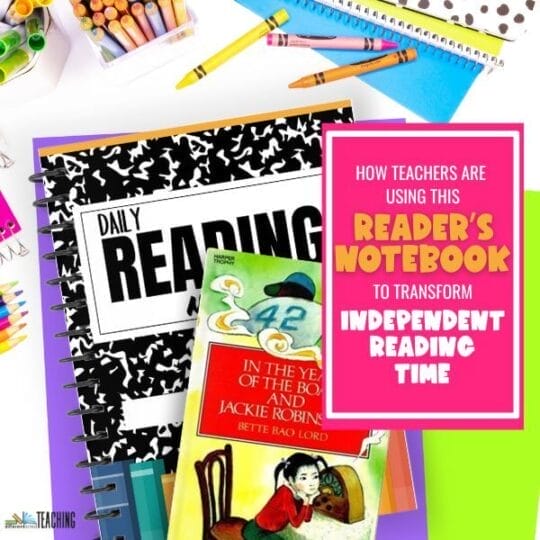
Teaching Reading Comprehension That Builds Independent Thinkers
Reading comprehension is more than answering questions at the end of a passage. Students need opportunities to talk about texts, analyze characters, explain their thinking, and support ideas with evidence. When comprehension strategies are taught consistently and connected to meaningful discussion and writing, students begin approaching complex texts with confidence instead of hesitation.
Explore classroom-tested strategies that support deeper thinking and stronger comprehension across grade levels.
cHARACTER aNALYSIS THAT GOES BEYOND TRAITS
Help students analyze motivations, conflicts, & character growth across a text, leading to deeper comprehension & stronger responses.
Support Struggling Readers Without Lowering Rigor
Use targeted scaffolds that maintain high expectations while helping students engage meaningfully with complex texts.
Open-Ended Questions That Promote Discussion
Encourage critical thinking and student voice through discussion prompts that strengthen reasoning and evidence skills.
Teaching Students to Cite Meaningful Evidence
Teach students to select and explain evidence instead of copying quotes, building stronger written and verbal responses.
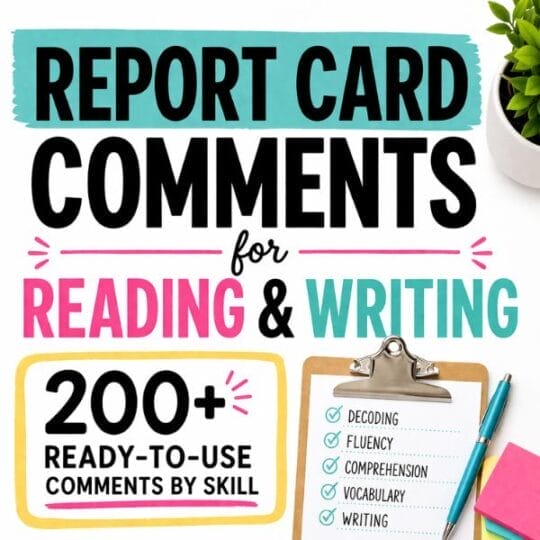

FREE ACTIVITY
Daily ELA for All Abilities
Level the playing field and allow all your learners to practice essential reading comprehension skills by close reading with photographs. Grab this free download to try out this daily ELA warm-up activity with your students and see the difference it can make!
writing instruction framework
Teaching Writing to Build Confident and Independent Writers
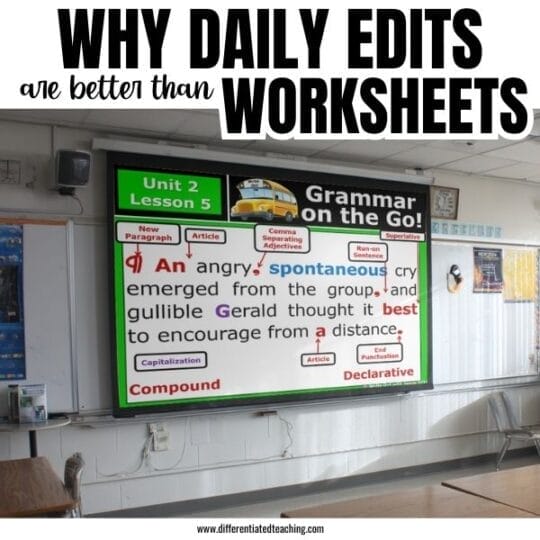
Strong writing instruction goes beyond assigning essays or correcting grammar mistakes. Students benefit from clear models, manageable routines, and regular opportunities to practice writing for different purposes and audiences. When writing is broken into achievable steps and supported with meaningful feedback, even reluctant writers begin to take risks and develop confidence in their ideas.
Explore practical strategies that help students organize their thinking, strengthen responses, and grow as writers.
Literary response & Essay Writing
Made Manageable
Break complex assignments into clear, teachable steps. Structure helps students organize & write with confidence.
Paragraph Writing for a Strong Foundation
Teach students how to develop complete responses using clear structure, evidence, and explanation across subjects.
Supporting Reluctant and Struggling Writers
Use scaffolds and routines that help hesitant writers start, stay engaged, and successfully finish writing tasks.
Feedback and Revision That Actually Improves Writing
Move beyond corrections with feedback strategies that help students revise thoughtfully and strengthen their ideas.


ACADEMIC VOCABULARY
Building Academic Vocabulary Across Subjects
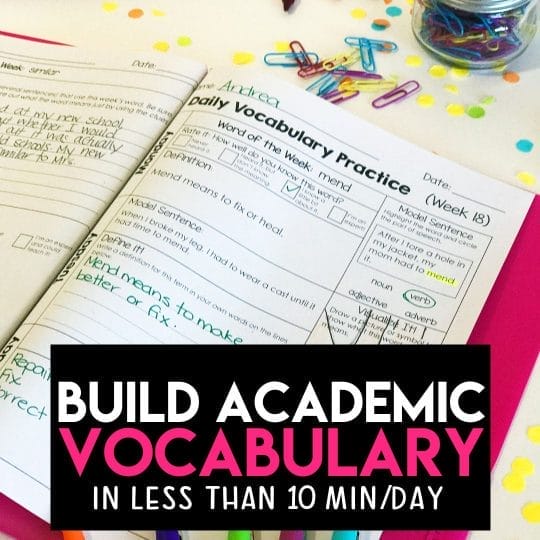
Academic vocabulary helps students access everything from reading comprehension to written responses and classroom discussions. When students understand the language of school, they are better able to follow directions, explain their thinking, and engage with challenging content across subjects. Consistent exposure and intentional routines help students move beyond memorizing definitions and begin using new language with confidence.
Explore simple routines and strategies that make vocabulary instruction meaningful and manageable in busy classrooms.
teaching tier 2 vocabulary
Help students understand high-impact academic words they encounter across subjects.
A 10-Minute Routine That Works
Build vocabulary growth into your daily schedule using consistent routines that reinforce meaning and usage.
Activities Beyond Vocabulary Lists
Engage students with discussion, writing, and application-based vocabulary practice – not memorization.
Building Vocabulary Across Content Areas
Support comprehension across subjects by intentionally teaching subject-specific language.



NOVEL STUDIES & BOOK CLUBS
Meaningful Novel Studies That Build Thoughtful Readers
Novel studies and book clubs give students a place to practice real literacy skills while staying engaged with stories they care about. Through discussion, written responses, and deeper thinking about characters and themes, students learn to apply reading, writing, and vocabulary skills in authentic ways. With the right structure, book studies can support strong comprehension without adding extra planning stress for teachers.
Explore classroom-tested strategies, organization ideas, and book recommendations below.
choosing books kids want to read
Help students understand high-impact academic words they encounter across subjects.
novel studies without busywork
Go beyond worksheets with discussions & meaningful response activities that deepen understanding.
Organizing
Book Clubs
Simple systems that keep book clubs manageable and encourage independence.
Response Writing Through Literature
Use novels to grow comprehension, vocabulary, and written responses at the same time.




All the latest


Need deeper support for struggling readers specifically? The Reading Instruction and Literacy Support guide goes deeper on comprehension strategies, fluency, differentiation, and intervention tools.
Looking for the right book? Browse the full recommended books for elementary students — organized by grade level and reading level — to find your next class novel or read-aloud.
Grade-specific daily language routines that work: mastering 3rd grade language standards in 10 minutes a day and daily language spiral review for 5th grade both show exactly how to implement a consistent warm-up routine by grade level.