5 Things to Know About Your Students by Friday (Most Teachers Skip #3)
If you Google “getting to know your students,” you’ll get the same five activities over and over: Two Truths and a Lie, Find Someone Who, a bingo card, a getting-to-know-you survey about favorite colors and pets. All genuinely fun. All worth doing.
But none of them are actually the point.
Activities are the vehicle. They’re not the destination. The real question isn’t “what icebreaker should I run on Monday” – it’s “what do I actually need to know about this kid by Friday in order to teach them well and build a relationship that lasts the whole year.” That’s a much shorter, much more useful list, and most of it has nothing to do with favorite colors.
Strong teacher-student relationships have been shown to improve behavior, boost persistence, and improve academic outcomes – and that starts with the first impression you make and the information you gather in week one. Here are the 5 things that actually matter, including a couple that even experienced teachers tend to overlook.
1. How to pronounce their name correctly
This might seem obvious, but it’s where everything else starts. Names are hugely important, and taking the time to learn how to correctly pronounce each student’s name is one of the simplest, most powerful ways to show a student that you see them and that they matter. This is the bare minimum we can do as teachers to communicate respect, and it costs almost nothing in time or energy.
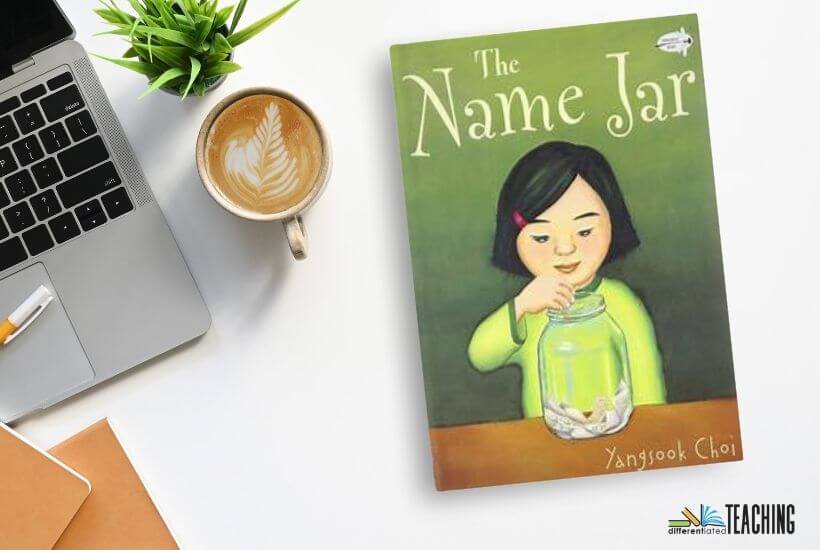
The Name Jar by Yangsook Choi is a wonderful read-aloud to pair with this. The main character has just moved from Korea and is the new girl at school, worried that no one will be able to say her name – Unhei. It’s a great book about the courage to be who you are, and a good reminder of how closely names are tied to identity.
If you struggle with pronunciation – names specifically or pronunciation generally – a few things that help:
- Tell students directly how important getting their name right is to you, and ask them to teach you.
- Write the pronunciation down phonetically so you have something to reference.
- Practice it often, both with the student present (so they can correct you) and on your own.
- If you’re still unsure, just ask. Apologize, acknowledge it matters to you, and keep working on it.
- In a virtual or hybrid setting, have students record a short intro video sharing their name and a bit about themselves.
2. At least one interest or hobby outside of school
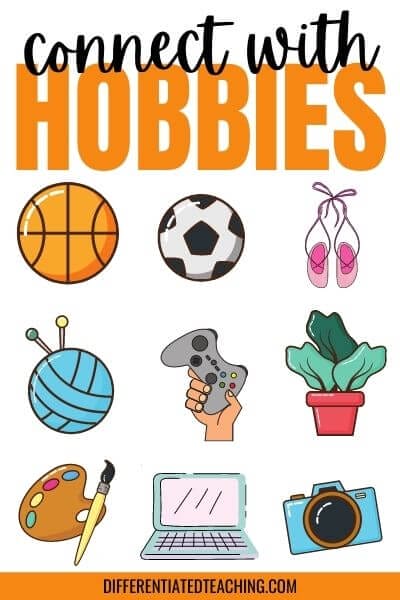
Getting to know your students is about more than understanding them as learners – it’s about understanding who they are as people. Whether it’s a favorite sport, a TV show, or a hobby they’re genuinely excited about, this is information worth gathering deliberately.
Here’s why it matters more than it might seem: knowing a student’s interests gives you a conversation starter that has nothing to do with their work. A student having a rough day is much easier to reach if you can ask how the big game went or wish them luck at their recital that afternoon. It’s also one of the most reliable tools you have for reaching struggling or reluctant learners – connecting difficult content to something a student already loves can be the difference between shutting down and staying engaged.
It’s also a natural launching point for something like a Genius Hour project, so the value isn’t just short-term relationship building – it pays off in your instructional planning too.
.
As you’re considering ways to learn more about your students’ interests, here are a couple of ideas to consider:
- Use morning meetings to ask questions about hobbies or interests. For example, “What was your favorite thing about last weekend?” Or, “What do you like to watch on TV?” These types of questions give you an opportunity to connect with your students while learning something interesting about them.
- Get input from parents. Most families are happy to share about their child, especially when it means that you’ll be able to better support their learning. If your school offers an open house the first week of school, ask parents to complete a short survey or write a letter sharing about their child.
- Observe! Look at their clothes, shoes, backpacks, etc. Students will often show off their interests through these items. Many times all it will take is a quick comment and they’ll be happy to tell you all about a favorite basketball player or author.
- Purposefully plan activities for the first week of school that will help you get to know more about your learners and their interests.
3. Who their friends are and the basics of their peer relationships
This is the one most “getting to know you” content skips entirely – and it’s one of the most useful things you can understand early.
When you first meet a new class, it’s natural to think about students one at a time. But as the first week unfolds, their existing relationships become more visible – and understanding those connections gives you real insight into what might be influencing a student’s mood, behavior, or choices on any given day.
Why it matters: If you notice a shift in behavior or academic performance, talking with a student’s close friend can offer context you wouldn’t otherwise have. If your students are old enough to be active on social media, knowing who they’re connected to can help you address behavior issues directly without it feeling like you’re relying on gossip or gotcha moments. And at a basic logistical level, understanding peer relationships helps you make smarter decisions about room arrangement, partner pairings, and who might be a good connection for a new student trying to find their footing.
This is quiet, observational information – you’re not going to get it from a survey. It comes from paying attention during transitions, lunch, and unstructured moments in those first several days.
4. The big picture of family situations in your classroom
Home-school relationships are critical, and understanding who a student lives with – along with any siblings who might also attend your school – goes a long way toward building that relationship with both the student and their family.
Knowing who to contact and who to reference in conversation with the child matters on a practical level. But the picture is bigger than just emergency contacts.
A few things worth knowing by the end of week one:
- Who does the student live with? Is there a family situation you should be aware of?
- Do they have siblings or relatives who also attend – or work at – the school?
- Is there a particular relative they spend significant time with? A grandparent, an aunt or uncle?
This information shapes how you communicate, who you loop in for important conversations, and how you understand a student’s life outside your classroom – which often explains far more about their behavior or energy on a given day than anything happening within your four walls.
5. Your class’s overall strengths and needs – academically and otherwise
This one might seem obvious, but there’s more to it than it first appears. By the end of week one, you should have at least a partial picture of your students as learners: which subjects they gravitate toward, which ones they avoid, where they might need extra support, and where they could use a push to challenge themselves.
But here’s the less obvious piece, the one that often gets missed: how does a student perceive themselves as a learner? Are they confident, or are they unsure and likely to need extra encouragement and specific praise to take academic risks? That self-perception shapes how a student engages with your classroom just as much as their actual skill level does – sometimes more.
Some of this information will come from records and conversations before students even walk through your door, depending on your grade level. But there’s also real value in simply observing during the basics of week one – watching study habits, noticing how a student approaches an unfamiliar task, paying attention to who asks for help and who quietly struggles instead. You’ll be doing formal assessments in the coming weeks regardless, but this first week gives you an early, genuinely useful head start.
Bringing it all together for a great school year
None of this is complicated. But together, these five things take you well beyond “I know my students’ names and favorite colors” into genuinely knowing the people in your classroom – which is exactly what builds the kind of relationships that carry a class through a hard year, not just an easy one.
The first week of school is exhausting, even for the most seasoned teachers among us. But time spent on relationships during that week is never wasted time. It pays itself back, in dividends, all year long.

Keep Building From Here
Once you’ve got this foundation, here’s where to go next:
- First Week of School Activities: 20+ Ideas to Start the Year Strong
- Community Building Activities for Back to School
- Discussion Questions to Build Classroom Community
- The All About Me Activity That Makes Open House Easier
- Classroom Community Books: My 26 Favorites for Back to School
- Preparing for Back-to-School Night