How to Simplify Preparing for a Substitute Teacher (and Actually Take a Sick Day)
You know what I hate? Preparing for a substitute teacher.
For years, I dragged myself into the classroom regardless of how horrible I felt — because the hours of paperwork, copying, and prep required for a sub to teach my classroom for a day felt worse than showing up sick. I’ve been at work at 5 AM writing emergency sub plans. I’ve taught through fevers because the alternative felt impossible.
Then I had kids. And when your child wakes up sick at 2 AM, you don’t get to choose. You’re getting a sub, like it or not.
The hardest part is that no one teaches you how to prepare for a substitute teacher. You have to figure it out on your own. This post is what I wish someone had handed me in my first year of teaching.

What you’ll find here:
- Why substitute teaching is harder than it looks (and why that matters for your prep)
- How to find and keep good substitutes
- A simple system for leaving plans that actually work
- What to include so your classroom runs smoothly without you
- The small things that make a big difference for your sub
For the complete picture, see the Complete Guide to Sub Plans.
Why substituting is harder than it looks
Before we talk about what you can do, it’s worth understanding what your substitute is actually walking into. Your guest teacher arrives in a classroom already the odd one out. They are expected to:
- Execute lesson plans they didn’t write or see in advance
- Keep students on task without established relationships
- Maintain engagement with students they don’t know
- Monitor behavior for a fraction of what a regular teacher earns
Good substitutes are genuinely difficult to find and even harder to keep. When you understand what they’re dealing with, the way you prepare for them changes.
Step 1: Find substitutes you trust — before you need them
The single best thing you can do for your sub days is identify good substitutes before you’re sick. Ask your colleagues which subs they request by name. Watch for substitutes who show up on campus regularly — consistency is a strong signal. If your colleagues keep calling the same person back, that person is good.
Once you find a substitute who works well in your classroom, do three things:
- Request them by name when you know you’ll be out
- Let them know they’re welcome back
- Show a little appreciation — a handwritten note, a piece of chocolate, or a $5 gift card goes further than you’d think. Good subs get booked fast. Being the teacher who appreciates them keeps them coming back to your room.
This is especially important in years when you have a challenging class or your plans ask a lot of your sub. A small thank-you signals that you see the work they’re doing — and it builds the kind of relationship that makes future sub days easier for everyone.
Step 2: Leave sub plans that a stranger can follow
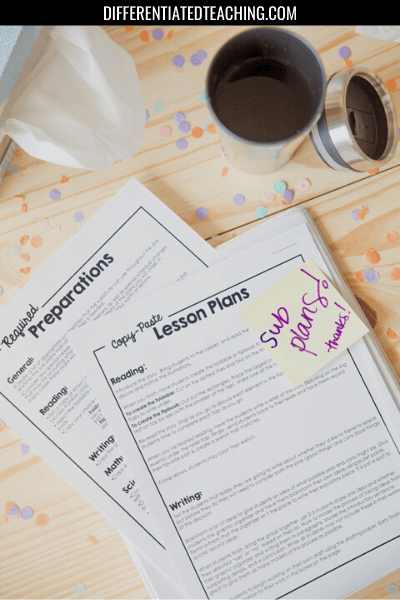
The biggest mistake teachers make with sub plans is writing them for themselves instead of for someone who has never been in the building. Your sub doesn’t know that “math rotations” means three groups, three stations, specific materials in the blue cabinet. Write it out.
Your daily schedule
Leave your plans in a format your sub can follow without having to figure anything out:
- Use time and subject as your headers (8:15 – Morning Meeting, 8:45 – Reading block, etc.)
- Under each header, describe what students should be doing AND what you want the sub to be doing
- Include pacing notes — “this usually takes about 20 minutes” is more useful than a list of activities with no time guidance
- Use the same language your sub should use with students
Keep it to one or two pages. A sub reading a 6-page document while 25 students watch them is already behind.
Your classroom management system
Your sub cannot enforce a system they don’t understand. Include:
- How your behavior system works and what the expectations are
- Where to find rewards like stickers or small prizes if you use them
- Any students with alternative expectations or replacement behaviors — name them and explain what helps
- Any students on a formal behavior plan — leave the details so your sub can carry it on
Student information your sub needs
- A class roster and seating chart
- Any medical needs or allergies
- IEP accommodations that affect daily routines
- The names of 2–3 students who can be trusted to help the sub find things
- A specific contact name (not just “the office”) for when something goes wrong

Early finishers and backup plans
Always include a clearly labeled early finisher activity that requires zero explanation. Downtime is when behavior problems start. Independent reading, a writing prompt, or a familiar review activity all work well.
Step 3: Keep your emergency sub folder ready year-round
Your emergency substitute folder is what saves you on the days you have no time to prepare anything. It lives in your classroom all year, always ready, always current.
Inside your emergency folder:
- A basic class roster and seating chart
- Your daily schedule (generic, not tied to any specific day)
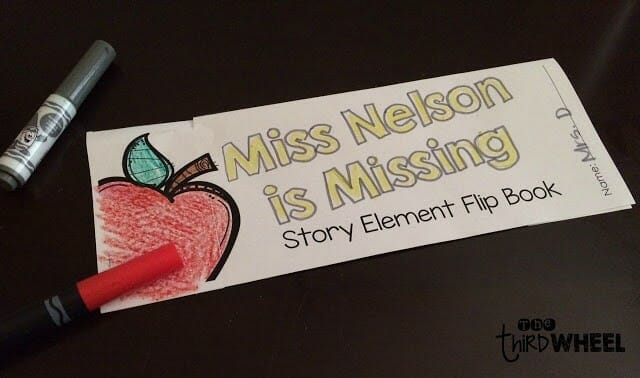
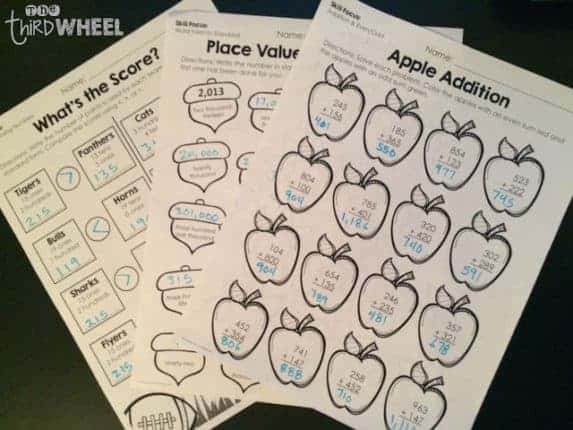
- At least one full day of print-and-go activities by subject
- Behavior system overview
- Key student notes
- Emergency procedures and contact information
Update it at the start of each semester. Fifteen minutes twice a year keeps it current.
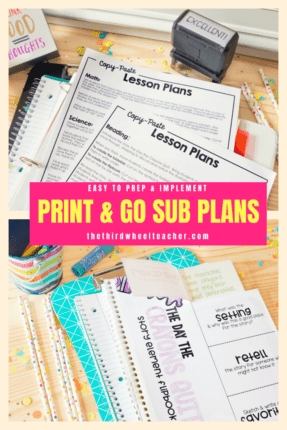
For a full day of ready-to-go materials: Emergency Sub Plans: Print & Go →
The things that make the biggest difference
- Specificity over thoroughness. A clear 2-page plan beats a thorough 8-page packet every time.
- Prepare your students. When you know you’ll be out, tell them in advance. Let them know the expectations are the same and that you’ll be following up.
- Ask for feedback. Leave a simple feedback form for your sub. Knowing what worked helps you improve your plans over time.
- Stop doing this alone. Ask colleagues to check on your sub and introduce themselves. A friendly face in the hallway matters more than you’d think.
You deserve a sick day
Setting up a system for substitute teaching takes one good afternoon the first time. After that, it’s a few updates at the start of each semester and a few minutes of plan writing when you know you’ll be out.
The goal is to get to the point where having a sub is a logistical task, not a crisis. Your students will be fine. Your classroom will survive. And you’ll actually be able to rest when you need to.
For the complete sub planning framework: The Complete Guide to Sub Plans →

More sub planning resources