Indoor Recess That Doesn’t Fall Apart: A System + the Right Game for Every Situation
Rain on the window. Another day stuck inside. You already know the drill: wiggly kids, climbing volume, and that particular flavor of chaos that only indoor recess can produce.
Here’s what I learned after one particularly brutal stretch of consecutive indoor recess days: the problem usually isn’t that you don’t know any good games. Every teacher has a mental list of GoNoodle, Heads Up Seven Up, and charades. The problem is that indoor recess falls apart without a system behind it – and once you build that system, almost any game works, because you’re not improvising from scratch every single time it rains.
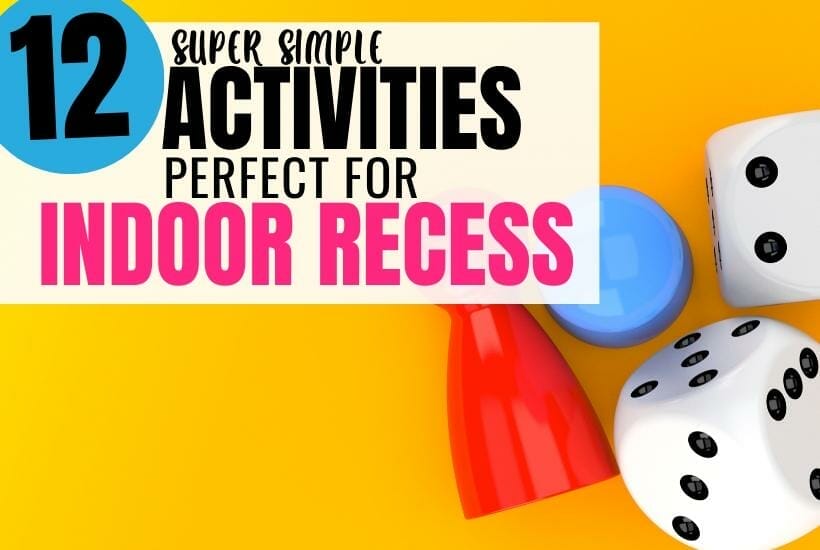
So this post does two things. First, a simple system for making indoor recess actually manageable, the kind of thing you set up once and use all year. Second, a full bank of games and activities organized by the actual situation you’re in, not generic categories, so you can find what you need fast when the sky is already gray and you’ve got four minutes to figure out a plan.
Part 1: The System That Makes Indoor Recess Manageable
Before you ever need a single game, these four pieces do most of the heavy lifting.
Build a recess bin (or a few)
Keep everything in one consistent, accessible spot – a cupboard, a rolling cart, a few labeled bins. Small open-top containers work well for things like blocks, pattern blocks, or Legos, since kids can grab and put away quickly without a lid getting in the way. The goal is for setup and cleanup to take under a minute, not five.
Assign a “recess helper” job
Pick one or two students to manage pulling out and putting away materials. Choose kids who are a good fit for the responsibility, train them well at the start of the year, and let them keep the job for a stretch so the routine becomes automatic. This alone removes a huge amount of friction, because you’re not the one scrambling to get materials out while also managing twenty-five kids with pent-up energy.
Set expectations before you start, not during the chaos
This sounds obvious, but it’s the step most of us skip when we’re already stressed. Decide your noise threshold, your movement boundaries, and what happens when something goes off the rails – before the first rainy day, not in the middle of it. A 30-second reminder before any video or game (“we freeze, we don’t run into each other, voices stay at a 5”) prevents most of what turns indoor recess into a headache.
Know your space and group size before you pick an activity
The single biggest mismatch I see is choosing a game built for a gym and trying to run it in a 25-desk classroom, or vice versa. Before reaching for any activity, ask: How much open floor space do I actually have? Is this just my class, or am I combining with another? Do I have any access to a gym, hallway, or cafeteria today? That answer should drive your choice more than anything else.
Once these four pieces are in place, the actual activity becomes a much smaller decision – which is where the rest of this post comes in.
Part 2: The Right Activity for Whatever Situation You’re In
“My class is wound up and needs to move – now.”
These are your highest-energy options, built for burning off real physical steam.
GoNoodle is the classroom standby for a reason – dancing, yoga, and silly brain breaks with something for every energy level, and curated recess playlists are right there on their site and YouTube channel with no digging required. Kids get invested in leveling up their GoNoodle character too, which adds its own motivation.
Cosmic Kids Yoga is the better fit if you need movement without full mayhem – yoga-based stories tied to characters and seasonal themes that kids genuinely enjoy following along with.
Just Dance videos are a reliable hit. Stick to school-friendly picks like Ghostbusters (great around Halloween), Waka Waka, or Dance Monkey. Always preview on YouTube first, since not every version is appropriate.
Freeze Dance is the zero-prep classic: play music, pause it at random, everyone freezes when it stops. Set your expectations before you start, or you’ll get an impromptu conga line.
Want to level it up? Try DJ Ralphi’s Freeze Dance:
Would You Rather Fitness Challenges combine silly movement with quick decisions – pick A or B, then do the matching movement. Ninja kicks, frog jumps, the works. Good creators to check out: P.E. with Mr. G, Coach Corey, Fix and Play, and P.E. with Joe.
Balloon Volleyball needs almost no setup: grab a balloon, split into teams, use a row of desks as a net. If it’s getting too wild, have everyone play seated or kneeling for a bit more control.
Adventures in Fitness with Mr. Marc are 20-minute video adventures that combine learning and movement. They’re silly, high-energy, and a surprising workout. You’ll find free samples and trial content at Adventures2Learning, just know not everything is free.
“I have zero prep time and this is happening right now.”
For the days you didn’t see coming and have nothing ready.
Heads Up Seven Up is the throwback that never stops working. Seven kids are “it,” everyone else puts their head down with a thumb up, the “it” students tap one thumb each, and the chosen students try to guess who picked them. Genuinely no materials required.
Charades or Pictionary need nothing but a whiteboard and imagination. Split into two or three teams and rotate through rounds – use seasonal vocabulary or content-related terms if you want to sneak in some review.
Tic-Tac-Toe or Rock, Paper, Scissors Tournament gets the whole class involved with zero prep: everyone pairs up, winners move to one side, losers to the other, winners re-pair with winners, and so on until you have a final showdown the whole class cheers for.

“We’re stuck in the classroom with no extra space.”
When the desks aren’t moving and you need options that work in that footprint.
Directed drawing is low-mess and quiet enough for a tight room. Search for kid-friendly step-by-step videos with seasonal themes or characters your students are into – the finished pieces make a great hallway display or bulletin board refresh.
Finish the Doodle needs only paper and pencils: give each student a random squiggle or blob and challenge them to turn it into something. No wrong answers, which makes it an easy win for a small footprint.
Learn Origami with guided videos builds focus and fine motor skills without needing room to move. Art for Kids Hub has great basics and seasonal options – paper snowflakes in winter are a classroom favorite, and you can even pair it with a quick haiku about snow if you want a literacy tie-in.
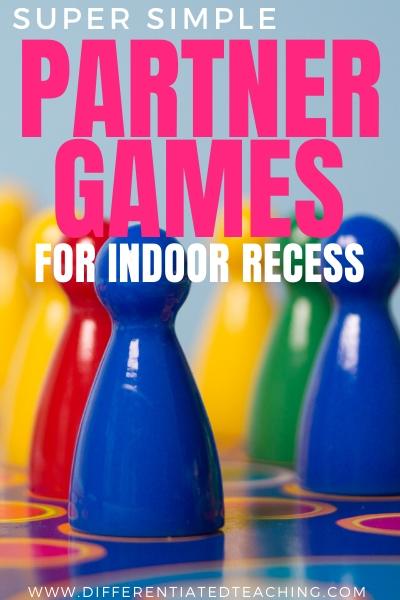
Tabletop partner games – Checkers, Connect 4, scrap paper and dice – are built for exactly this constraint. If you’ve got a closet of classics, this is their moment.
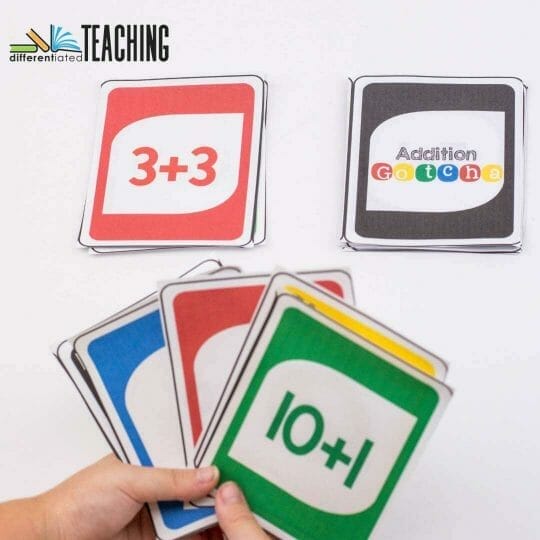
Learning games at the table keep things calm while sneaking in skill practice. Games like Addition Gotcha or Multiplication Gotcha play just like Uno, so most kids already know the rules, and they’re a quiet, low-footprint way to build math fact fluency. The same goes for partner-based ELA or math game sets – look for skill-based play that doesn’t feel like a worksheet wearing a costume.
“I need the whole class doing the same thing so it doesn’t splinter into chaos.”
For days when keeping everyone unified matters more than variety.
STEM challenges are hands-on and genuinely engaging for a whole-class activity. The Index Card Tower Challenge is a favorite: teams build the tallest freestanding structure from index cards alone, five minutes to plan, fifteen to build, then a gallery walk to see the results (and the impressive failures). Add a quick post-recess reflection prompt about teamwork or the design process if you want to make it count toward a grade.
Adventures in Fitness with Mr. Marc offers 20-minute video “adventures” blending learning and movement – silly, high-energy, and a legitimate workout for a whole class moving together. Free samples are available at Adventures2Learning.
“It’s been raining for a week and they’re sick of all of this.”
For when you need something that doesn’t feel like a repeat.
Rotate in a “mystery jar.” Write mini-game prompts or quick challenges on slips of paper, laminate them, and keep them in a jar you reuse for years. Pulling a random prompt adds novelty even when the underlying activities are things you’ve done before.
Set up recess stations. Rather than one activity for the whole class, create three or four small stations – a drawing table, a board game corner, a movement spot, a quiet building area – and let small groups rotate through. This single change can make indoor recess feel completely different without requiring any new materials.
Bring back an old favorite with a twist. Add a content connection to Charades or Pictionary (vocabulary words, historical figures), or theme your directed drawing or origami around whatever season or unit you’re in. Small variations go a long way when the activities themselves are starting to feel stale.
Bringing It Together
Indoor recess doesn’t have to be the thing that derails your day. With a simple system in place – storage that’s actually accessible, a student helper, expectations set in advance, and a clear read on your space – choosing the right activity becomes a fast decision instead of a scramble. And once you know which situation you’re actually in, the right game is usually obvious.
More Classroom Management Support
Need more ideas for keeping your classroom running smoothly? Check out Why You Should Spend More Time Walking Around Your Classroom and Creating an Effective Classroom.
Looking for more classroom community resources? Visit the complete guide: Building Classroom Community – covering discussion questions, SEL read alouds, first week activities, and strategies for rebuilding community all year long.