Math Differentiation: Accommodations, Word Problems, Fluency, and Intervention
Math differentiation isn’t about making things easier… It’s about removing the barriers that keep students from accessing the actual thinking. A student who can’t decode a word problem isn’t necessarily a weak math thinker. A student who shuts down during timed fact practice might understand the concepts completely. The barrier and the skill gap aren’t always the same thing, and the best math instruction starts by figuring out which one you’re actually dealing with.

This page brings together everything on this site related to math differentiation — accommodations, word problem strategies, fluency support, intervention tools, and anxiety. Whether you’re supporting a student with an IEP, trying to reach your most reluctant math learners, or just looking for better ways to differentiate your instruction, start here.
Accommodations and Modifications for Math
Accommodations change how a student accesses math — they don’t change what’s being assessed. Getting this distinction right matters a lot, especially when you’re writing IEPs, supporting 504 plans, or explaining to parents why a student is using a calculator or getting extended time. This is the most-visited resource on the site for a reason: teachers need clear, specific, ready-to-use language for math accommodations.
Word Problems: Strategies and Structures That Actually Help
Word problems are where math differentiation gets complicated fast. Students who struggle with reading, working memory, or math language often fall apart on word problems, even when they understand the underlying math. The CUBES strategy gives students a concrete process for breaking down the structure of a problem — and it works especially well for students who need something tangible to hold on to before they start computing.
- The CUBES Math Strategy for Word Problems: A Step-by-Step Guide
- Why Students Struggle with Math Word Problems (and What to Try)
- 5 Fun Ways to Teach Word Problems and Engage Students
- 3 Middle School Math Word Problem Strategies That Stop Guessing
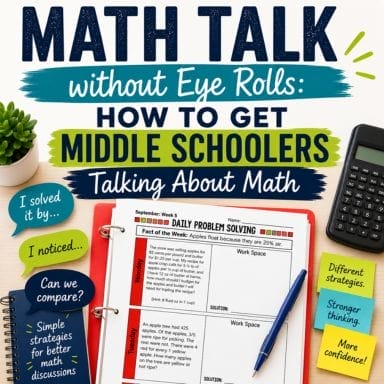
- Math Talk Without Eye Rolls: How to Get Middle Schoolers Talking About Math
- Why Middle Schoolers Struggle With Word Problems (And What Helps)
Math Fact Fluency: Building It Without the Anxiety
Fact fluency matters — but how you build it matters just as much. Timed tests don’t build fluency; they measure it, and they often do lasting damage to students who are still developing it. Students who struggle with math anxiety or processing speed need low-stakes, high-repetition practice that builds automaticity without the pressure. These resources cover why fluency matters, how to develop it, and what to do when a student is stuck.
Math Intervention: Tools, Websites, and Place Value Support
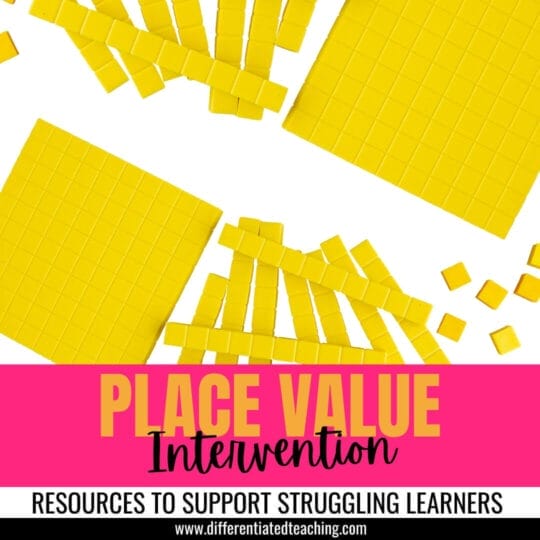
Intervention is most effective when it’s targeted — not just more of the same instruction at a slower pace. For students who are significantly behind, identifying the specific gap (often place value) and using the right tools can move the needle faster than generic re-teaching. These pages cover the best digital tools for math intervention and a structured approach to place value specifically, which is the most common foundational gap in upper elementary.
- 15+ Essential Math Intervention Websites
- Place Value Intervention: Guided Practice to Mastery
- Tier 2 Math Intervention That Actually Works (Without More Worksheets)
Math Anxiety: Supporting Students Who Shut Down
Math anxiety is real, it’s measurable, and it’s not the same as not liking math. Students with math anxiety often have processing that gets hijacked by stress before they can even access the content — which means the intervention isn’t always about the math itself. Understanding what’s happening neurologically, and having low-threat entry points to practice, makes a meaningful difference for these learners.

🌟 Part of the Differentiated Teaching resource library. See our complete guide: Differentiated Teaching Strategies — covering reading, math, novel studies, sub plans, classroom management, and community.
📊 Build stronger retention with review routines. See our complete guide: Spiral Review and Assessment Strategies — daily routines, formative assessment, and MTSS data strategies. For a grade-level example of what this looks like in practice, see what a week of 8th grade math spiral review actually looks like.
Browse all math resources in one place. The Teaching Math hub organizes everything on this site by topic — place value, word problems, fluency, geometry, and more — so you can find what you need quickly.
For early grades, this 15-minute routine for building 1st grade math skills shows how daily spiral practice works even with the youngest learners.