September Teaching Ideas: A Planning Guide for Elementary & Middle School Teachers
September is a busy month for classroom teachers. You are still teaching routines, building relationships, and helping students settle into the school year. However, you’re also expected to move into meaningful academic work.
The best September activities support both goals. They give students a chance to practice important skills while building classroom community, rather than adding seasonal activities simply for decoration.
This guide includes important September dates and themes, practical classroom activity ideas, and ready-to-use resources to help you plan each week of the month.
September at a Glance
September 19: Talk Like a Pirate Day
Add a playful seasonal connection to vocabulary, dialogue, descriptive writing, or point-of-view practice.
Plan September Week-by-Week
September planning is easier when each week has a clear purpose. These weekly themes help you balance classroom routines, community building, seasonal events, and meaningful academic practice throughout the month.
Week 1: Establish Routines and Learn About Your Students
The first full week of September is a good time to introduce routines through real academic work. Instead of relying only on traditional getting-to-know-you activities, choose tasks that help students practice classroom procedures while giving you useful information about their interests, skills, and independence.
Reading surveys, short writing activities, math warm-ups, and simple science tasks can help students learn how your classroom works while giving you an early look at where they may need support.
Get the Resources:


Week 2: Build Community & Reflect on Important Events
The second week of September offers several opportunities to strengthen classroom community through meaningful reading, writing, and discussion. Grandparents Day gives students a personal reason to write for a real audience, while September 11, known as Patriot Day, offers an age-appropriate way to explore history, remembrance, and how people came together in response to tragedy.
These topics work best when they are handled thoughtfully. Focus on personal connections, historical understanding, and community response rather than overwhelming students with details that may not be appropriate for their age.
Get the Resources:


Week 3: Constitution Day & Hispanic Heritage Month
The third week of September brings two strong opportunities for meaningful social studies and literacy work. Constitution Day gives students a chance to explore the rights, responsibilities, and ideas that shape our government, while Hispanic Heritage Month opens the door to learning about the history, culture, and contributions of Hispanic and Latino Americans.
These topics work especially well with informational reading, vocabulary, research, and evidence-based writing. Using differentiated texts and structured response activities makes it easier to include all learners while keeping the content rigorous and purposeful.
Get the Resources:


Week 3: Strengthen Academics with Fall Content
By the fourth week of September, classroom routines are beginning to feel more familiar, making it a good time to increase the academic focus. Seasonal topics can keep students interested while they practice the reading, writing, grammar, and problem-solving skills they will use throughout the year.
Fall informational texts, short editing tasks, and structured writing activities give students meaningful practice without requiring a complete change in your routine. The seasonal connection adds interest, while the task itself continues building important academic habits.
Get the Resources:


Find September Activities by Subject
Sometimes you already know which part of your schedule needs support. Use these subject areas to find September activities that fit your current lessons, routines, and grade level.
Reading and Comprehension
Use seasonal and historical topics to strengthen comprehension, vocabulary, and written response skills.

Fatty Legs Novel Study Unit
Hispanic Heritage Month Passages
Monarch Migration Passage
Writing
Give students meaningful reasons to write through personal connections, seasonal topics, and real audiences.
Featured Resources

September Quick Write Prompts
Grandparents Day Writing
Hispanic Heritage Biography Report

Would You Rather Opinion Writing
Grammar and Editing
Build consistent language routines with short tasks that help students notice, correct, and explain errors.

3rd Grade Sentence Editing
Fall Run-on Sentence Lesson

Football-Themed Editing Task Card

4th Grade Sentence Editing
Science and STEM
Connect science skills to seasonal topics through observation, informational reading, investigation, and problem solving.

Science Tools & Methods Lesson

Apples vs. Apple Cider Passages
Monarch Reading Passages

Independent Research Project
Social Studies and Seasonal Events
Use important September dates to build historical understanding, cultural awareness, and classroom discussion.
Patriot Day Activities
Hispanic Heritage Month Passages
Constitution Day Activities

Grandparents Day Lessons
Math
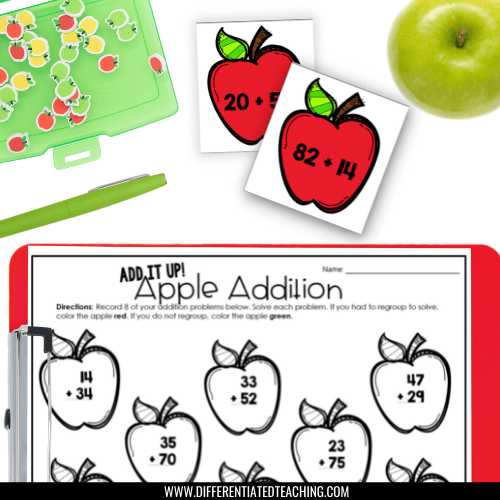
Establish daily problem-solving routines with September and fall-themed practice matched to your students’ grade level.


September Sub Plans
September is a smart time to prepare emergency sub plans before the school year becomes busier. Even if you do not expect to be absent, having a complete set of lessons ready can save time and reduce stress when plans change unexpectedly.
The best sub plans are easy for a guest teacher to follow and familiar enough that students can work independently. September-themed reading, writing, math, and science activities provide meaningful practice without requiring the substitute to introduce a complicated new skill.
Choose the grade-level set that fits your classroom:

1st Grade September Sub Plans

2nd Grade September Sub Plans

3rd & 4th Grade September Sub Plans

5th Grade September Sub Plans
Practical September Planning Tips
September can feel crowded with routines, assessments, special dates, and the pressure to move into grade-level content. A few simple planning choices can help you use the month more intentionally.
Teach Routines Through Real Academic Tasks
Students need practice with procedures, but that practice does not have to come from filler activities. Use reading surveys, short writing tasks, math warm-ups, and independent work to teach expectations while students complete meaningful academic work.
Use Early Work as Informal Assessment
Watch how students approach directions, organize their work, explain their thinking, and work independently. These early tasks can help you identify strengths, unfinished learning, and students who may need additional support.
Plan Ahead for Mid-Month Topics
Hispanic Heritage Month, Constitution Day, and other September observances arrive quickly. Choose your texts, activities, and resources early so these topics feel connected to your curriculum rather than added at the last minute.
Continue Planning
September does not need to be filled with disconnected seasonal activities. A few carefully selected resources can help you establish routines, learn more about your students, and begin meaningful academic work.