Grandparents Day Activities and Writing Ideas for the Classroom
Grandparents Day gives students a meaningful reason to write for a real audience. Instead of completing another seasonal worksheet, students can reflect on the memories, traditions, and everyday moments that make a grandparent or another special adult important to them.
These activities can also support the writing skills you are already teaching. Friendly letters, personal narratives, descriptive paragraphs, interviews, and short opinion pieces all fit naturally into a Grandparents Day lesson.

In this guide, you will find practical Grandparents Day writing ideas, ways to make the activity inclusive for different family structures, and an easy writing craft that students can give as a keepsake or display in the classroom.
When Is Grandparents Day?
Grandparents Day is observed on the first Sunday after Labor Day. Since it falls on a Sunday, most classroom activities take place during the week leading up to the holiday.
You do not need to plan an elaborate celebration. A focused writing lesson, interview activity, or simple keepsake project can give students an opportunity to practice important skills while creating something personal.
Planning an Inclusive Grandparents Day Activity
Grandparents Day can be a meaningful classroom activity, but it is important to make room for different family structures and experiences. Some students may not have a grandparent who is living, nearby, or involved in their lives.
Before beginning the activity, let students know they may write about a grandparent or another special older adult. This could be a family friend, neighbor, teacher, caregiver, aunt, uncle, or another person who has played an important role in their life.
You can also adjust the wording on projects so students are not limited to one title. Options such as World’s Best Grandparent, Someone Special, or A Special Person in My Life allow students to complete the same writing task without having to explain personal circumstances to the class.

The goal is to give every student a real person to write about and a meaningful audience for their work. A small amount of flexibility makes the activity more inclusive without changing the writing skills students are practicing.
Teaching is all about finding ways to blend academic standards with the real world. Grandparents Day is the perfect opportunity for students to apply the writing process to make a meaningful gift for a special grandparent (or grand friend) in their lives.
Meaningful Grandparents Day Writing Ideas
Grandparents Day works especially well as a writing anchor because students have a clear topic and a real audience. The activity feels personal, but it can still support the same writing skills you are already teaching.
Write a friendly letter.
A friendly letter gives students a simple structure while still leaving room for personal details.
Students might:
- share a favorite memory
- explain what they appreciate about the person
- describe something they enjoy doing together
- ask a question
- include a hope for a future visit or activity
This is a natural way to practice greetings, complete sentences, paragraph organization, and closings.
Describe a Special Memory
Ask students to choose one moment they remember clearly and describe what happened.
Encourage them to include:
- Where they were
- What they were doing
- Who was there
- How they felt
- Why the memory still matters
This works well for personal narrative writing and helps students move beyond general statements such as “My grandma is nice.”
Explain What Makes Someone Special
Students can write a descriptive or opinion paragraph explaining why their chosen person deserves recognition.

They can support their ideas with specific examples, such as:
- Something the person has taught them
- A way the person helps others
- A tradition they share
- A quality they admire
- A time the person made them feel supported
This gives students practice stating an idea and supporting it with relevant details.
Create a List of Favorite Things
For younger writers or students who need more support, begin with a structured list.
Possible prompts include:
- Three things I love about you
- My favorite things we do together
- Things you have taught me
- Reasons you are special
- Memories that make me smile
Students can turn the list into complete sentences, a short paragraph, or a keepsake page.
Write About Family Traditions
Grandparents and special older adults are often connected to family stories, traditions, recipes, celebrations, and routines.
Students can describe:
- A holiday tradition
- A family meal
- A song, game, or activity
- A place they visit together
- Advice or a saying the person often shares
This gives students a meaningful way to connect personal writing with family history and culture.
Interview a Grandparent or Special Adult
An interview can help students learn more about someone they care about while practicing listening, speaking, note-taking, and writing skills.
Students can complete the interview in person, over the phone, through a video call, or even by sending the questions via email or mail. If an interview isn’t possible, they can ask another family what they know about the person or use questions to guide a conversation in class.
Sample interview questions:
Students might ask:
- What was school like when you were my age?
- What games or activities did you enjoy?
- What is one of your favorite childhood memories?
- What traditions were important in your family?
- What is something you are proud of?
- What is an important lesson you have learned?
- What advice would you give someone my age?
- What is something you would like me to remember?
Encourage students to listen for interesting details rather than rushing through every question. A strong follow-up question can lead to a much more meaningful response than a long list of short answers.
Turn the Interview Into Writing
After the interview, students can use their notes to create:
- A short biography
- A personal narrative
- A friendly letter
- A question-and-answer page
- A “What I Learned” paragraph
- A keepsake booklet
For students who need more support, provide a simple organizer with spaces for the question, the response, and one detail they found interesting. More independent writers can choose the most meaningful parts of the interview and combine them into a complete piece.
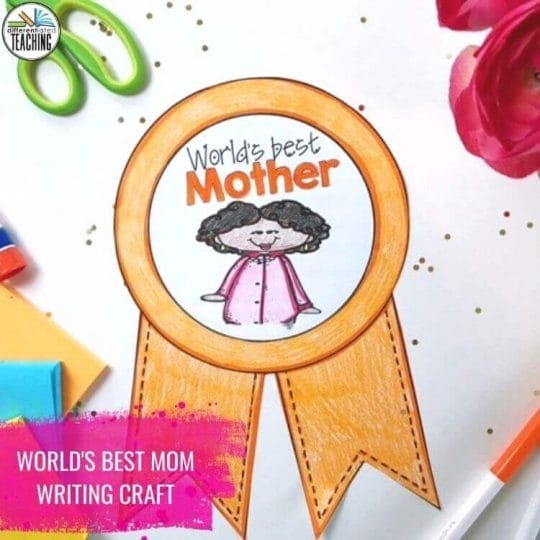
Create a World’s Best Grandparent Writing Craft
A writing craft can give students a clear purpose for their work while creating a keepsake they are proud to share. The key is making sure the writing remains the focus rather than treating it as an art project with a sentence added at the end.
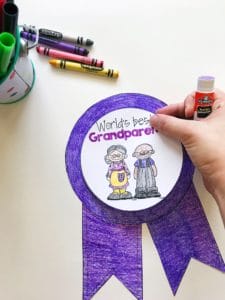
Begin by helping students brainstorm specific reasons their grandparent or special adult deserves recognition. Encourage them to move beyond broad ideas such as “She is nice” or “He is fun.”
Students might write about:
- A favorite memory
- Something the person has taught them
- A tradition they share
- A way the person helps or supports them
- A quality they admire
- An activity they enjoy doing together

Choose the Right Writing Format
Not every student needs the same amount of writing space. Younger students or reluctant writers may be more successful with a short response or several complete sentences. More independent writers can develop a full paragraph or longer letter.
You can also offer different project titles, such as:
- World’s Best Grandma
- World’s Best Grandpa
- World’s Best Grandparent
- Someone Special
- A Special Person in My Life
This allows students to complete the same assignment while choosing the wording that best fits their situation.
Draft Before Decorating
Have students complete the writing before they begin coloring or assembling the project. This helps prevent rushed responses and keeps the academic task at the center of the lesson.
A simple sequence works well:
- Brainstorm specific details.
- Choose the strongest ideas.
- Write a first draft.
- Revise for clarity and detail.
- Edit for spelling and conventions.
- Transfer the final writing to the project.
- Color and assemble the finished piece.

Once completed, students can give the project as a card or keepsake, take it home after a classroom display, or present it during a Grandparents Day event.
Use the Projects for Gifts, Displays, or School Events
Grandparents Day writing projects can serve several purposes depending on your classroom schedule and how you plan to share the finished work.
Create a Meaningful Keepsake
Students can take their completed writing home to give to a grandparent or special adult. Encourage them to add a personal message, illustration, or decorated envelope so the project feels complete.
When possible, give students time to read their writing aloud before taking it home. This helps them practice fluency while giving the recipient a more personal experience.
Make a Classroom or Hallway Display
Grandparents Day projects can also create a meaningful September bulletin board.
Possible display titles include:
- Grandparents Make Life Grand
- Celebrating Someone Special
- Lessons From the People We Love
- Our Favorite Memories
- People Who Make a Difference
Display the finished projects with short student quotes or photographs only when families have given permission. After the display comes down, return the projects so students can give them to their chosen recipients.
Share the Writing at a School Event
If your school hosts a Grandparents Day breakfast, open house, or classroom visit, students can present their writing during the event.
They might:
- Read a friendly letter aloud
- Share a favorite memory
- Present the completed award craft
- Ask interview questions
- Invite guests to add a written memory
- Create a class book for visitors to read
Keep the presentation simple so students remain the focus. The writing itself often means more to families than an elaborate performance.
Include Students Whose Guests Cannot Attend
Not every grandparent or special adult will be able to visit the classroom. Students can still participate by taking the project home, mailing it, sharing it during a phone or video call, or creating a digital copy.
Avoid tying the value of the activity to whether someone attends an event. The purpose is to recognize an important relationship and create meaningful writing, not to compare which students have guests present.
Featured Grandparents Day Resources
These ready-to-use resources make it easier to plan a meaningful Grandparents Day activity without adding a complicated project to an already busy September schedule.
World’s Best Grandparent Writing Craft
This writing craft combines a structured writing activity with a finished keepsake students can give to someone special.
The resource includes multiple writing formats and title options, allowing students to write about a grandma, grandpa, grandparent, or another important person in their life. Students can complete a short response, longer writing piece, or illustrated version based on their age and writing needs.

Use it for:
- Friendly letter and personal writing practice
- A Grandparents Day classroom gift
- A September bulletin board
- A school or classroom celebration
- Writing about a special older adult
Grandparents Day Activities
For a more complete lesson, use a set of activities that gives students several ways to reflect, write, and learn more about a grandparent or special adult.
Students can brainstorm meaningful details, respond to writing prompts, complete an interview, and create a finished piece to share. The activities can be used together or selected individually based on your schedule.

Use them for:
- Interview and note-taking practice
- Personal narrative writing
- Descriptive and opinion paragraphs
- Independent literacy centers
- Take-home family activities
Choose the resource that best fits your available time. A single writing craft works well for a focused lesson, while the larger activity set can support several days of reading, discussion, interviewing, and writing.
Continue Planning for September
Grandparents Day is one of several opportunities in September to connect meaningful writing with classroom community. A simple letter, interview, or keepsake project can give students an authentic audience while reinforcing the skills you are already teaching.
For more ideas, visit the complete September teaching guide for seasonal reading, writing, math, science, and social studies activities.