Teaching Character Development With Mentor Texts in Upper Elementary
Mentor texts are among my favorite ways to help students make sense of tricky reading skills, like character development.
Picture books are often the perfect starting point. They allow you to model thinking quickly and revisit key moments without spending weeks inside a single text.
But by upper elementary, many students are ready for something deeper.
Analyzing how and why characters change over time requires readers to track motivation, understand cause and effect, and recognize how events shape perspective across an entire story. That kind of thinking is hard to build using short texts alone.
Novels open the door to richer conversations.
Students begin to notice how small decisions add up. They compare perspectives. They recognize how experiences shape identity in ways that mirror real life.
In this post, I’ll walk you through how to teach character change using mentor texts, share classroom-ready lesson ideas, and show you how a novel like Charlotte’s Web can help students move from identifying character traits to analyzing meaningful growth across time.
Why Teaching Character Development Matters in Upper Elementary
By upper elementary, most students can identify character traits with confidence.
They can explain who is kind, who made a mistake, or who helped someone else.
But recognizing traits is only the beginning.
Character development asks students to look across an entire story and consider how experiences shape behavior over time. Instead of focusing on a single moment, they must connect events, track motivation, and explain why a character responds differently as challenges unfold.
This shift often marks the moment when reading moves from simple comprehension to deeper analysis.
Students begin asking questions like:
- What caused this change?
- Would the character have made the same decision earlier in the story?
- How did relationships influence their choices?
Those conversations build skills students need as texts become more complex in later grades.
Because character growth rarely happens all at once, novels provide especially strong opportunities for this work.
Novels like Charlotte’s Web allow students to watch change unfold gradually through relationships and experiences.
And once students begin noticing those patterns, literary analysis starts to feel less like guessing… and more like understanding.
Getting Started Teaching Character Development
Once you’re ready to begin teaching character development, a little planning upfront makes instruction much smoother.
What Standards Address Character Change?
The grade level expectations for character development vary depending on which standards you follow.
In Texas, TEKS introduces analyzing character interactions and change as early as third grade.
Common Core places a stronger emphasis on tracking how characters respond to events and develop across episodes in middle grades.
For lesson documentation, here are the commonly referenced standards:
TEKS 3.8B
Describe the interaction of characters, including their relationships and the changes they undergo.
CCSS RL.6.3
Describe how a story unfolds across episodes and analyze how characters respond or change as the plot moves toward resolution.
What Skills Should Students Already Have?
Before diving into character development lessons, students should feel comfortable:
- identifying character traits
- recognizing major plot events
- understanding cause and effect relationships
- supporting ideas with evidence from the text.
If those foundations are still developing, spending time strengthening character trait instruction first can make later analysis much more successful.
👉 You can find simple strategies for teaching character traits here.
What picture books are good for introducing character change?
Using Picture Books as a Starting Point
Picture books are often the best place to introduce character change.
Because they can be read in a single sitting, students quickly see how a character responds to a problem or learns a lesson.
While they may not offer the same depth as longer novels, they provide an important bridge between identifying traits and analyzing growth across time.
Some favorite mentor texts for introducing character development include:
- A Bad Case of Stripes by David Shannon
- Sheila the Brave by Kevin Henkes
- Enemy Pie by Derek Munson
- Boundless Grace by Mary Hoffman
Once students begin noticing patterns of change in shorter texts, they are ready to move into deeper analysis using novels as mentor texts.
Moving From Picture Books to Novel Mentor Texts
Once students begin recognizing character change in shorter texts, many teachers notice a new challenge.
Students can describe what happened, but explaining why a character changed often feels harder.
Novels give readers something picture books cannot.
Time.
Time to notice patterns across chapters. Time to reconsider first impressions. Time to see how relationships and experiences shape motivation.
Many upper elementary novels work beautifully as mentor texts for character development because growth unfolds gradually rather than through a single event.
Books like:
- Wonder
- Holes
- Hatchet
- The Giver
- Charlotte’s Web
all provide opportunities for students to track decisions, relationships, and emotional growth across time.
When students compare how characters respond to challenges across different stories, they begin to recognize that meaningful change rarely happens all at once.
It happens across choices. Across setbacks. Across relationships.
And that realization is often the moment deeper literary analysis begins to click.
Teachers often choose novels studies to help support this goal. Books like Wonder to explore empathy and perspective, Hatchet to examine resilience, or Holes to analyze how past decisions influence present outcomes.
Teaching Character Development Using Charlotte’s Web
Once students move from picture books into longer mentor texts, the instructional focus begins to shift.
Instead of identifying isolated character traits, students start tracking how experiences shape thinking and behavior across an entire story.
Many teachers find themselves wondering what that actually looks like in practice.
How do you help students notice change as it happens… without turning discussions into simple plot retelling?
One way is to anchor instruction around a familiar novel that allows growth to unfold gradually.
Charlotte’s Web provides natural opportunities for this work because character growth develops gradually rather than through a single dramatic event. If you’re planning a full novel study, you can find additional planning ideas and classroom strategies here.
Many teachers find success structuring instruction around three simple phases: preparing students to notice change, tracking character thinking during reading, and reflecting on growth after finishing the novel.
Before Reading: Introducing the Idea of Change
Before beginning the novel, invite students to reflect on how people change in real life.
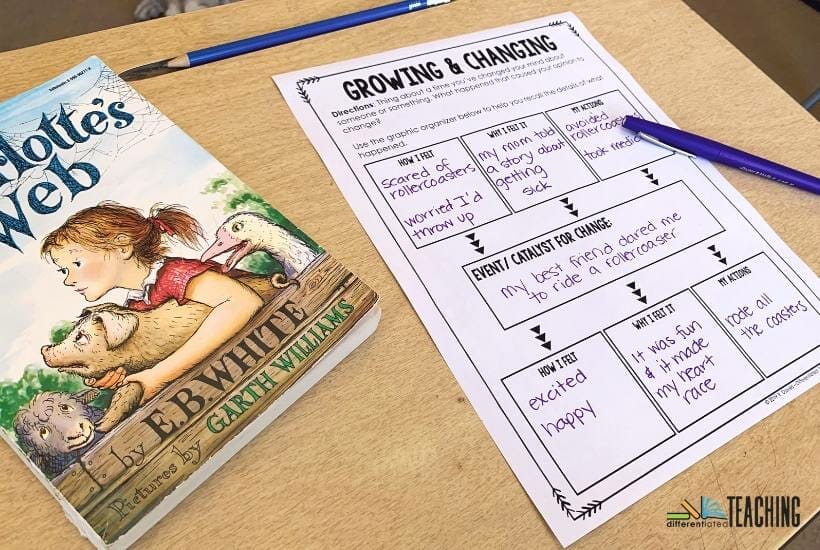
One simple activity is asking students to write about a time they changed their mind about something or learned an important lesson through experience.
These personal connections help students understand that growth rarely happens instantly.
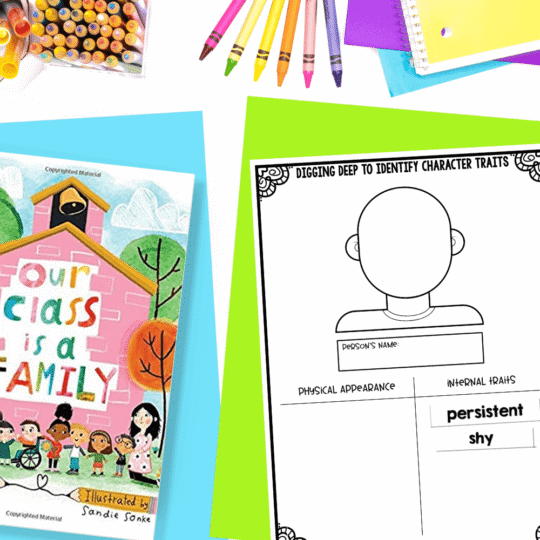
Graphic organizers that explore reasons people change can help students begin thinking about motivation before they even meet the characters.
During Reading: Tracking Character Traits and Decisions
As students read the early chapters, focus on identifying traits, feelings, and actions.
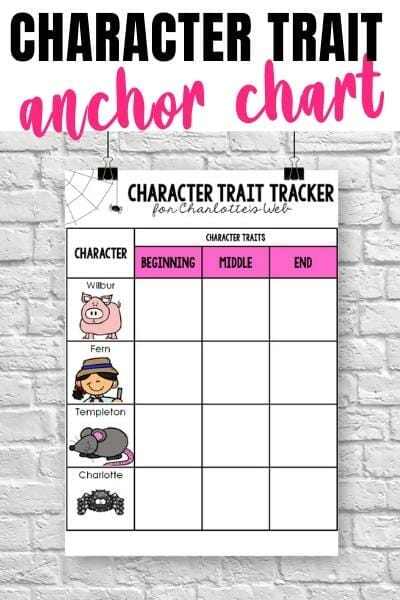
A simple anchor chart tracking major characters works well.
Students record:
- traits
- important decisions
- relationships
- evidence from the text.
Because Charlotte’s Web unfolds slowly, students begin noticing patterns as events accumulate.
Wilbur’s growing confidence, Charlotte’s quiet leadership, and Fern’s shifting priorities create natural discussion opportunities about motivation and perspective.
After Reading: Analyzing Character Growth
Once students finish the novel, reflection becomes the most powerful learning opportunity.
Students can compare early impressions with final outcomes and identify the moments that influenced change.

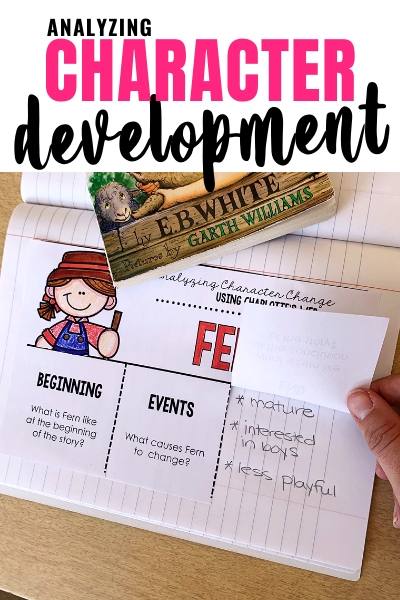
Flipbooks or graphic organizers allow students to document how and why characters developed across the story.
Fern’s maturity and Wilbur’s independence often lead to meaningful conversations about developmental versus event-driven change.
Connecting these reflections back to students’ own writing from the beginning of the unit helps reinforce how experiences shape understanding both in stories and in real life.
Tracking Character Growth With Charlotte’s Web
Once students begin tracking character change through before-, during-, and after-reading discussions, many teachers notice a new challenge.
Students can talk about what happened… but organizing their thinking across an entire novel becomes harder.
Without a clear structure, conversations quickly drift into plot retelling instead of analysis.
Simple graphic organizers can help students slow down and look for patterns across the story.
You might ask students to track:
- important events that influenced a character’s decisions
- shifts in motivation or relationships
- moments when a character’s actions surprised them
- evidence showing growth or setbacks.

These kinds of routines help students move beyond describing traits and toward explaining development using text evidence.
To make this easier to implement, I created a set of classroom-ready organizers designed specifically for teaching character change using mentor texts like Charlotte’s Web.
👉 Grab the Character Development Lesson Freebies here.
Inside the free pack you’ll find:
- growing and changing brainstorming organizer
- character change graphic organizer
- original reading passage with comprehension questions
- Wilbur and Fern flipbooks for documenting growth
- post-reading reflection activity focused on Templeton.
These tools are designed to help students organize their thinking before reading, track their development during the novel, and reflect on character growth after finishing the story.
✍️ Looking for more writing instruction resources? Visit our complete guide: Writing Instruction Strategies — covering RACE strategy, personal narrative, grammar, reluctant writers, and more.