Weather Activities That Actually Help Struggling Learners Understand Vocabulary
If you’ve ever handed out weather worksheets and watched your students just… stare at them… you already know the problem.
It’s not that they can’t learn weather.
It’s that the vocabulary gets in the way.
Words like precipitation, humidity, and barometer aren’t just new… they’re heavy. And for students who struggle with reading, those words can shut the whole lesson down before it even starts.

So instead of building understanding, you get:
- guessing
- copying
- or students who check out completely
I’ve seen this happen over and over again… especially with students who already feel behind.
The good news is, you don’t need a totally different curriculum.
You just need a better way to approach the vocabulary.
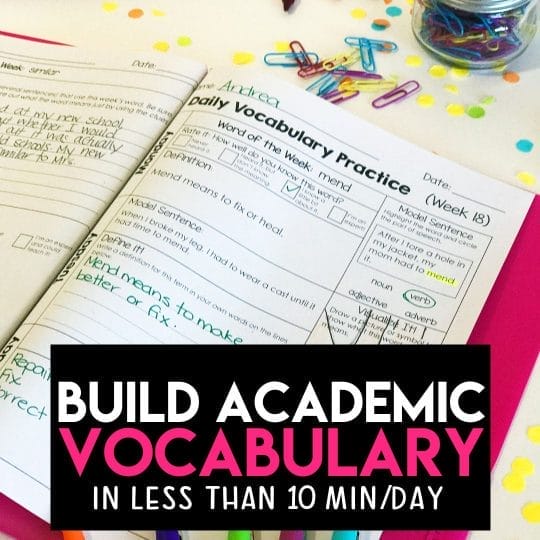
👉 If you’re not already using a consistent routine, this simple daily academic vocabulary routine makes a huge difference in helping words actually stick.
Why Weather Vocabulary Is So Challenging
Weather seems like an easy unit… until you actually start teaching it.
Because the content itself isn’t the problem.
The language is.
Most struggling learners:
- don’t have strong background knowledge to attach new terms to
- get overwhelmed by multi-syllable academic vocabulary
- need multiple exposures before a word actually sticks
And a lot of traditional weather worksheets?
They expect students to read, define, and move on… with very little support.
That’s where things start to fall apart.
👉 This is also where simple differentiation strategies that actually work can make content more accessible without watering it down.
3 Ways to Make Weather Vocabulary Stick
1. Pair Vocabulary with Visuals (Always)
If students only see the word anemometer, it won’t stick.
But when they:
- Break it down & decode it.
- Label it.
- Connect it to what it does.

That’s when learning happens.
Simple shifts:
- Label diagrams instead of just defining terms
- Use real-world visuals (weather tools, clouds, maps)
- Ask students to match tools to their purpose
This is especially helpful for students with dyslexia or language delays.
2. Use Sorting Instead of Memorizing
If students are copying definitions, they’re probably not learning them.
Sorting changes that.
When students have to decide:
- Is this weather or climate?
- Is this a tool or something it measures?
- Is this precipitation or not?

They’re actually processing the meaning… not just writing it down.
And that’s where you start to see things click.
3. Make It Real with Weather Forecasts
This is where engagement goes way up… because it connects to their daily lives.
When students read a weekly forecast, they’re:
- interpreting data
- applying vocabulary
- making real-world connections

Instead of asking:
“What is precipitation?”
You’re asking:
“Which day would be the worst for a field trip to the zoo… and why?”
That shift matters.
👉 This is the same type of thinking we want during nonfiction reading, especially when students are working on understanding real-world texts.
What This Looks Like in the Classroom
When you combine visuals, sorting, and real-world application, you get:
- Students actually using vocabulary in context
- Better participation from reluctant readers
- More meaningful conversations about weather and climate
And honestly… less reteaching later.

A Simple Way to Put This Into Practice
If you want something ready to go, I put together a Weather Vocabulary Activity Packet that follows this exact approach.
It includes:
- vocabulary matching with clear, student-friendly definitions
- weather tools labeling and coloring
- cloud and precipitation sorting
- two weekly weather forecast activities
- word-level supports that are especially helpful for struggling readers

Everything is designed to:
✔ reduce reading overwhelm
✔ increase engagement
✔ reinforce vocabulary through multiple exposures
When to Use These Weather Activities
These work really well for:
- science units on weather and climate
- review before assessments
- centers or small group instruction
- sub plans (low prep, high structure)
- intervention groups
Final Thoughts
If your students struggle with science vocabulary, it’s often not a motivation issue… it’s an access issue.
When students can’t read or don’t fully understand the words, they can’t access the content.
When we:
- add visuals
- reduce language load
- increase interaction
We make the content reachable.
And once it’s reachable… they can actually learn it. This is why hands-on science vocabulary activities tend to work so much better than traditional worksheets alone.
If you’re trying to make this shift without spending hours creating new materials, this is exactly why I created the Weather Vocabulary Activity Packet.
It’s built around:
- visual supports
- repeated exposure
- and activities that actually make students use the words
Not just copy them.
When you lower that barrier… everything changes.
Students participate more.
They understand more.
And you spend a lot less time reteaching the same terms over and over.
👉 Check out the full activity packet here..