January Teaching Ideas: A Planning Guide for Elementary Teachers
January is one of the hardest months to teach — and one of the most important. Students come back from winter break out of routine, the weather is grim, and the second semester can feel like a long road ahead. But January also has some genuinely compelling content hooks, and the teachers who plan it well come back from break with momentum instead of dread.
This guide covers every key date worth planning around in January, re-entry strategies that actually work, and ready-to-use resources for every week of the month.
Key Dates to Plan for in January
- New Year’s Day — January 1 (no school)
- First day back from winter break — Varies by district
- Martin Luther King Jr. Day — Third Monday in January
- Lunar New Year — Dates vary (late January or early February)
- Groundhog Day — February 2 (worth prepping in January)
- Super Bowl — First Sunday in February (students are talking about it in January)
The First Week Back — Re-Entry Done Right
The first week of January is not the week to launch a new unit. It’s the week to rebuild community, re-establish routines, and gather informal assessment data about where students are after two weeks away. The best re-entry plans feel purposeful to students without requiring heavy cognitive lift on day one.
- Rebuilding Classroom Community After Winter Break — Full strategies for the re-entry week, including community building prompts, routine rebuilding, and getting back into academics gradually
- Engaging New Year Activities for Upper Elementary — Goal setting, global traditions, and writing activities for the first days back
- Engaging January Activities That Jumpstart Learning After Winter Break — Low-prep, high-engagement activities for the first week
New Year’s — Goal Setting & Writing
New Year’s goal setting is more than a writing prompt — it’s a chance to help students think deliberately about growth. The key is pushing past “I want to get better at math” toward specific, actionable goals. Model the process with your own goals before students write independently, and post the finished products as a January bulletin board that stays relevant all semester.
- New Year Bulletin Board Pennant — Goal Setting Writing Prompt
- What I Did Over Winter Break — Writing Craft & Bulletin Board
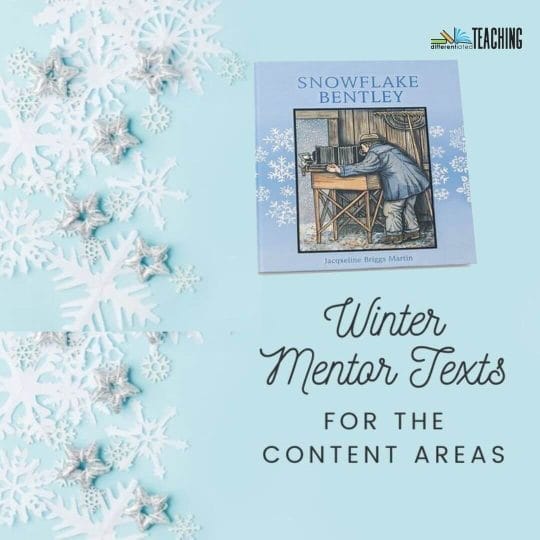
- January Writing Activities to Start the Semester Strong — Full breakdown of winter break writing, New Year’s goal setting, and read-aloud anchors for January writing instruction
Lunar New Year
Lunar New Year falls in late January or early February and is one of the most widely celebrated holidays in the world. Reading passages, cultural research, and poetry writing give students genuine understanding of the traditions behind the holiday — not just a paper lantern craft.
- Lunar New Year Reading Passage, Chinese Lantern & Poetry Writing Craft
- New Year’s Around the World — Traditions, Celebrations & Reading Comprehension Booklet
Martin Luther King Jr. Day
MLK Day is one of the most meaningful lessons of the year — and one of the most commonly reduced to a single quote or a coloring page. A well-designed MLK unit goes beyond “I Have a Dream.” Fact and opinion sorts, reading comprehension activities, proofreading and editing tasks, and writing crafts all give students a chance to engage with King’s life and legacy in a way that connects to real ELA skills.
- MLK Jr. Reading Comprehension Activities, Packet & Vocabulary
- MLK Day Fact & Opinion Sort — 3rd & 4th Grade
- MLK Jr. Day Proofreading Sentences & Writing Activity Task Cards
Polar Animals & Winter Science
Polar and arctic animal research projects are one of January’s best cross-curricular anchors. Science content — habitats, adaptations, food chains — combines naturally with informational writing skills, and students find the subject genuinely interesting. Mr. Popper’s Penguins is the natural novel study anchor for this unit.
- Winter Penguin Research Project — Arctic Animal Writing Craft
- Polar Habitat Animal Research Project — Arctic Animals & Winter Writing
- Polar Animal Research Project — Antarctic & Arctic Informational Writing
- Mr. Popper’s Penguins Novel Study — Literature, Book Club & Vocabulary
- Winter Read Alouds with Activities — The Mitten Story Retell & Comprehension
- The Snowy Day — Craft, Retell & Vocabulary Activities
January Writing & ELA
- 3rd & 4th Grade January Winter Writing Prompts — Expository, Procedural & Narrative
- January Would You Rather — Winter Opinion Writing Prompts & Journal
- Snow Day Packet — Winter Activities, Reading Comprehension & ELA Work
- Winter Activity Sheets — Crossword, Word Search, Vocabulary & Reading Packet
- January Activity Packet — ELA Early Finisher & Busy Work (3rd–5th Grade)
- Football Correct the Sentence — Proofreading & Editing Task Cards (Super Bowl season)
January Math — Re-Entry Warm-Ups
January math warm-ups serve double duty: they re-establish the daily routine and they give you quick formative data on what survived the break. Winter-themed word problems keep the context seasonal without sacrificing rigor. Pick the grade level that matches your class:
- 1st Grade January Daily Math Story Problems
- 1st Grade January Winter Math Review Worksheets
- 2nd Grade Winter Math Story Problem of the Day
- 3rd Grade January Winter Math Review Worksheets
- 4th Grade January Winter Math Story Problems
- 5th Grade Winter Multistep Math Word Problems
- 5th Grade January Winter Math Review Worksheets
- 6th Grade Winter Math Word Problems
- 7th Grade Winter Math Word Problems
- 8th Grade Winter Real World Math Problems
January Sub Plans
January is prime snow day season in many parts of the country. Having sub plans and snow day packets ready before January 10 means you’re covered for whatever the weather — or your schedule — throws at you.
- 1st Grade Winter Emergency Sub Plans — Winter Animals & Snow Day Work
- 2nd Grade Winter Emergency Sub Plans — January Snow Day Lessons
- 3rd & 4th Grade Snow Day Emergency Sub Plans — Winter Math Printables
- 5th Grade Snow Day Emergency Sub Plans — Winter Math Printables
Tips for January
Don’t start the new semester cold. Students need a bridge from winter break back into academic mode. The first two days should feel purposeful but not pressured — community building, writing about break, and goal setting give students something to do while you assess where they are.
Use MLK Day as a full instructional week, not a one-day lesson. The week of MLK Day is one of the most naturally engaging instructional weeks of January. Plan the whole week around the content — reading, writing, discussion, and creative response — rather than squeezing it into one day.
Polar animals carry a full unit. Don’t treat the penguin research project as a one-day activity. A two-week polar animals unit — science content, informational reading, research writing, and novel study — gives you a full January anchor that gets students excited to come to school in the dreariest month of the year.
Have snow day plans ready before school starts back. In most of the country, January brings the highest likelihood of unplanned closures or last-minute sub needs. The time to prepare is the week before school resumes — not the morning the weather turns.
Looking for ideas across the whole school year? Head back to the Elementary Teacher Planning Calendar for monthly planning guides from August through summer.